Global SEO in Sports: Lessons for Sports Brands
What working in global digital performance marketing taught me about international SEO for sports brands: lessons, not company secrets.
Insights

Key takeaway: SEO as a global brand strategy is hinged on ‘GLOCALIZATION’ and ‘AUTHORITY’
Sports brands sell to fans in dozens of markets, but fans search in their own language, on their own calendar and for their own local heroes. During my work with sports companies in the Digital Performance Marketing team, I saw how much of global SEO comes down to getting the local details right. This post shares general lessons for sports brands. No internal company data was used.
1. One brand, many search markets
The same product can be searched for in completely different ways from one market to the next: different terms, sizes and seasons. Keyword research has to happen per market, not be translated from English. At a global scale, there are proficient and efficient ways of doing this using Natural Language Processing (NLP).
2. Get the technical foundations right
hreflang tags, a clear international site structure (subfolders or country domains) and consistent canonicals decide whether Google shows the right page to the right country. Small errors here can make a local page invisible.
3. Plan around the sports calendar
Search demand peaks around tournaments, transfer windows, product drops and the start of seasons, and those dates differ by market. Pages need to be live and indexed before the peak, not during it.
4. Localise, don’t just translate
Local athletes, teams and cultural moments drive search interest. Pages that reflect them earn more relevance than a translated global page.
5. Measure market by market
Global averages hide local problems. Track visibility, rankings and Core Web Vitals per market in Search Console and your SEO tools. The importance of this cannot be overstated.
What challenger brands can learn
For a small sports e‑commerce brand, the playbook is a little different from the giants. You can’t outspend them, but you can out-focus them. Build authority around a niche instead of trying to rank for everything at once. Authority built steadily can get you punching above your weight in search without burning cash on ads.
Related
Nike Rank Watch: what moves a giant’s rankings
More to Discover
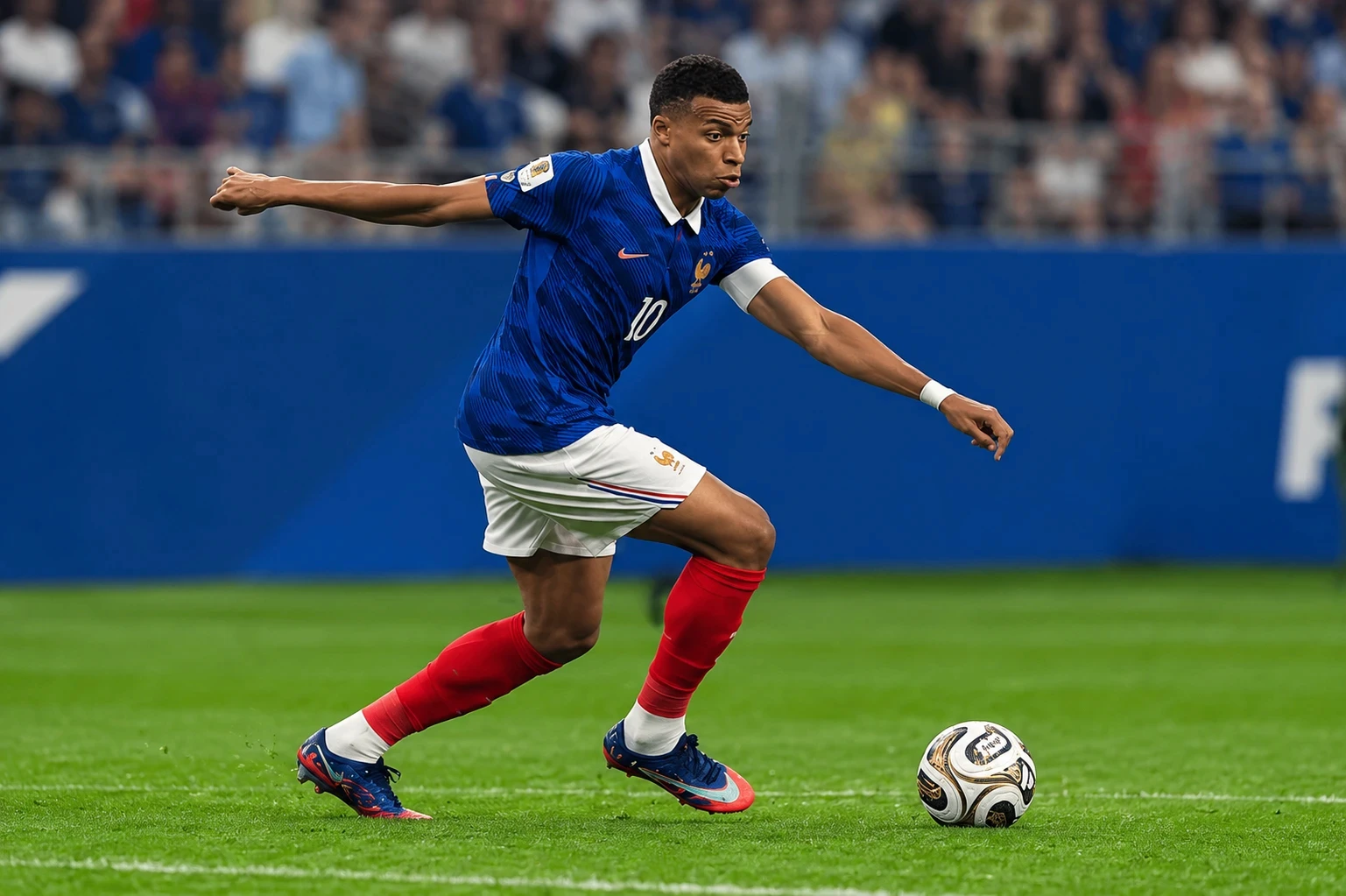
Global SEO in Sports: Lessons for Sports Brands
What working in global digital performance marketing taught me about international SEO for sports brands: lessons, not company secrets.
Insights
Key takeaway: SEO as a global brand strategy is hinged on ‘GLOCALIZATION’ and ‘AUTHORITY’
Sports brands sell to fans in dozens of markets, but fans search in their own language, on their own calendar and for their own local heroes. During my work with sports companies in the Digital Performance Marketing team, I saw how much of global SEO comes down to getting the local details right. This post shares general lessons for sports brands. No internal company data was used.
1. One brand, many search markets
The same product can be searched for in completely different ways from one market to the next: different terms, sizes and seasons. Keyword research has to happen per market, not be translated from English. At a global scale, there are proficient and efficient ways of doing this using Natural Language Processing (NLP).
2. Get the technical foundations right
hreflang tags, a clear international site structure (subfolders or country domains) and consistent canonicals decide whether Google shows the right page to the right country. Small errors here can make a local page invisible.
3. Plan around the sports calendar
Search demand peaks around tournaments, transfer windows, product drops and the start of seasons, and those dates differ by market. Pages need to be live and indexed before the peak, not during it.
4. Localise, don’t just translate
Local athletes, teams and cultural moments drive search interest. Pages that reflect them earn more relevance than a translated global page.
5. Measure market by market
Global averages hide local problems. Track visibility, rankings and Core Web Vitals per market in Search Console and your SEO tools. The importance of this cannot be overstated.
What challenger brands can learn
For a small sports e‑commerce brand, the playbook is a little different from the giants. You can’t outspend them, but you can out-focus them. Build authority around a niche instead of trying to rank for everything at once. Authority built steadily can get you punching above your weight in search without burning cash on ads.
Related
Nike Rank Watch: what moves a giant’s rankings
More to Discover
Global SEO in Sports: Lessons for Sports Brands
What working in global digital performance marketing taught me about international SEO for sports brands: lessons, not company secrets.
Insights
Key takeaway: SEO as a global brand strategy is hinged on ‘GLOCALIZATION’ and ‘AUTHORITY’
Sports brands sell to fans in dozens of markets, but fans search in their own language, on their own calendar and for their own local heroes. During my work with sports companies in the Digital Performance Marketing team, I saw how much of global SEO comes down to getting the local details right. This post shares general lessons for sports brands. No internal company data was used.
1. One brand, many search markets
The same product can be searched for in completely different ways from one market to the next: different terms, sizes and seasons. Keyword research has to happen per market, not be translated from English. At a global scale, there are proficient and efficient ways of doing this using Natural Language Processing (NLP).
2. Get the technical foundations right
hreflang tags, a clear international site structure (subfolders or country domains) and consistent canonicals decide whether Google shows the right page to the right country. Small errors here can make a local page invisible.
3. Plan around the sports calendar
Search demand peaks around tournaments, transfer windows, product drops and the start of seasons, and those dates differ by market. Pages need to be live and indexed before the peak, not during it.
4. Localise, don’t just translate
Local athletes, teams and cultural moments drive search interest. Pages that reflect them earn more relevance than a translated global page.
5. Measure market by market
Global averages hide local problems. Track visibility, rankings and Core Web Vitals per market in Search Console and your SEO tools. The importance of this cannot be overstated.
What challenger brands can learn
For a small sports e‑commerce brand, the playbook is a little different from the giants. You can’t outspend them, but you can out-focus them. Build authority around a niche instead of trying to rank for everything at once. Authority built steadily can get you punching above your weight in search without burning cash on ads.
Related
Nike Rank Watch: what moves a giant’s rankings